

Contract workers play an important role in manufacturing, textiles, garment production, logistics, warehousing, security, housekeeping, maintenance and many other business operations. They help organisations manage changing workforce requirements, specialised activities and seasonal production demands.
However, managing contractor employees involves more than recording attendance and paying monthly wages. Businesses must coordinate employee data, attendance, wage calculations, statutory deductions, contractor documentation, licences, payment evidence and compliance records.
When multiple contractors deploy employees across different units or shifts, manual monitoring can become difficult. Errors in attendance, wages, statutory contributions or employee records may create worker grievances, audit observations and compliance risks.
An experienced contractor payroll and compliance management services company in Tiruppur can help organisations establish a structured system for processing contractor payroll, validating statutory records and monitoring contractor performance.
This guide explains contractor payroll management, compliance monitoring, common risks and the benefits of professional support.
Contractor payroll management is the process of calculating and reviewing wages for employees engaged through contractors or third-party manpower agencies.
The contractor may remain responsible for employing workers and processing payroll. However, the principal employer should maintain appropriate monitoring controls to confirm that deployed employees are properly recorded and paid.
Contractor payroll management generally includes:
A well-managed process connects attendance, employee records, wage calculations, statutory filings and actual payments.
Contractor compliance management is the systematic monitoring of a contractor’s employment, payroll, statutory and licence-related responsibilities.
It involves collecting applicable records, checking their validity, comparing employee-level information and following up on identified non-compliance.
The compliance scope may cover:
Businesses should determine the exact requirements based on the establishment, work location, nature of the contract and current legal framework. The Ministry of Labour and Employment has also published an employer compliance handbook explaining provisions under India’s labour-code framework; organisations should check the latest Central and Tamil Nadu notifications before applying a particular requirement. Ministry of Labour and Employment compliance handbook
Tiruppur is a major textile, garment-manufacturing and export centre. Businesses in the region may engage contractors for:
Contractor workforces may change frequently. Employees can join, leave or move between units during the payroll period. Attendance may be maintained through biometric systems, manual registers, gate-entry records or contractor deployment sheets.
Without centralised monitoring, organisations may experience:
Professional support can help consolidate these activities and provide better visibility to HR, finance, compliance and management teams.
A structured contractor payroll process generally follows the stages below.
The organisation should maintain a complete contractor profile containing:
The approved work order should clearly define payroll responsibilities, document-submission requirements and compliance obligations.
The contractor should submit details of every worker before deployment.
The employee master may include:
Incomplete or inconsistent information should be corrected before the employee is included in payroll and statutory processing.
Attendance is the foundation of contractor payroll. The contractor’s attendance should be compared with available deployment and access records.
Validation may include:
Attendance may be reconciled against gate-entry records, biometric data, supervisor-certified reports or deployment sheets.
This comparison helps identify ghost employees, duplicate entries and workers present at the site but absent from the contractor’s payroll.
The applicable wage rate should be confirmed before calculating payroll.
The review may consider:
Wage notifications and applicable rates can change. Therefore, employers and contractors should review the current official notification instead of relying on an old payroll template.
Gross wages are calculated using approved attendance and the applicable salary structure.
Depending on the contract, payroll may include:
Each earning component should have a clearly defined calculation rule. Any manual adjustment should be supported by an approval record.
Contractor payroll deductions should be authorised, properly calculated and transparently recorded.
Common deductions may include:
Unexplained or unsupported deductions can create worker complaints and compliance concerns.
The payroll team should verify that:
Gross Earnings – Valid Deductions = Net Wages
The net-wage amount in the wage register should match the payslip and payment statement.
Differences caused by rounding, arrears or recoveries should be documented and reviewed before payroll approval.
Before payment, the principal employer or authorised reviewer may verify:
The contractor should correct identified differences before final approval.
Once payroll is approved, wages should be paid through the authorised method within the applicable timeline.
Payment records may include:
The wage register, payslips and bank statement should show consistent employee-wise amounts.
After completion, records should be organised by contractor, unit and payroll month.
Monthly reports may include:
Systematic storage helps during employee queries, management reviews and compliance audits.
Where EPF requirements apply, contractor employees must be correctly evaluated and included based on current statutory provisions and employee circumstances.
The review may cover:
The principal employer should not rely only on a consolidated challan. Employee-wise contribution information should be compared with actual attendance and payroll.
EPFO provides a facility for principal employers to link outsourced contracts with contract employers and monitor applicable compliance information. EPFO principal-employer facility
EPFO’s employer guidance also states that principal employers should ensure eligible contract employees are enrolled and covered before contractor bills are cleared. EPFO employer FAQs
Where ESIC applies, employee registration and monthly contribution records should be validated against contractor payroll.
The review can include:
Missing or incorrect insurance numbers should be identified promptly. Duplicate employee registration should be avoided by checking available previous-employment details.
Coverage, contribution requirements and employer-registration resources are available through the official Employees’ State Insurance Corporation website.
Licence and registration monitoring is an important part of contractor compliance management.
The review may cover:
The approved headcount should be compared with actual daily deployment. If workforce strength exceeds the available authorisation, the matter should be escalated for appropriate review and correction.
Document-expiry reminders can help prevent contractors from continuing work with expired licences, insurance policies or registrations.
A contractor compliance audit typically involves:
The contractor uploads or submits the required monthly and periodic records.
Files are checked for the correct contractor, unit, period and document type.
Attendance, payroll, payment and statutory statements are compared employee by employee.
Missing records, calculation differences and delayed payments are recorded as observations.
Observations may be classified as:
The contractor receives the observation, required action and target closure date.
The contractor’s supporting evidence is reviewed before the observation is closed.
A consolidated report shows contractor scores, high-risk observations, overdue actions and recurring non-compliance.
Employees may appear in attendance but remain missing from the wage register, or payroll days may differ from certified attendance.
Workers may be deployed before completing employee records, statutory-number verification or identity documentation.
The contractor may use an outdated rate, incorrect employee category or unsupported wage component.
Deductions may be made without adequate explanation, authorisation or supporting records.
Payment delays can affect employee welfare, workforce stability and compliance status.
Employees included in payroll may be absent from the relevant contribution statements.
Contribution wages or statutory deductions may not match payroll.
A contractor may continue providing services after a licence, registration or insurance policy expires.
The actual headcount may exceed the permitted or contractually approved workforce strength.
The same observations may continue for several months when corrective actions are not assigned and tracked.
Structured input validation reduces attendance, wage and deduction errors.
Management receives clearer visibility into each contractor’s workforce and compliance status.
HR and compliance teams spend less time collecting, organising and manually comparing records.
Detailed comparisons identify missing workers and contribution differences that consolidated documents may hide.
Calendars, reminders and escalation workflows help track submissions, payments and renewals.
Accurate wages, clear payslips and timely payments reduce employee queries and disputes.
Organised payroll, payment and statutory records make internal and external reviews easier.
Businesses operating multiple Tiruppur units can receive consolidated and unit-wise reports.
Every observation can be assigned to a responsible person with a deadline and closure status.
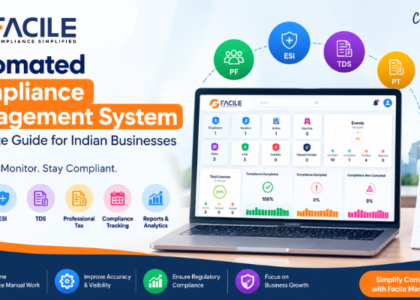
A contractor payroll and compliance platform can centralise information that would otherwise be distributed across emails, spreadsheets and physical files.
Useful features may include:
Technology improves traceability, but trained reviewers remain necessary to interpret exceptions and verify supporting records.
Before selecting a service provider, consider:
The provider should understand labour-intensive industries, shift operations, workforce turnover and contractor deployment.
Confirm that the system can process attendance, overtime, variable wages, arrears and multiple wage structures.
The team should understand relevant payroll, social-security and contractor-document requirements.
The provider should reconcile individual employees rather than checking only consolidated totals.
Reports should clearly show compliant items, exceptions, affected employees, risks and corrective actions.
Look for dashboards, expiry alerts, document storage and automated comparisons.
Ask how employee, bank, payroll and identity information is transferred, stored and accessed.
The service should support different contractors, work orders, units and wage structures.
The engagement should specify the responsibilities of the contractor, principal employer and service provider.
Confirm the available support channels and the process for resolving urgent payroll or compliance problems.
FACILE Management Services helps businesses establish organised contractor payroll and compliance-monitoring processes.
Our support can include:
Our objective is to help businesses improve payroll accuracy, strengthen contractor accountability and maintain audit-ready compliance records.
Contractor payroll and compliance management requires close coordination between contractors, HR teams, site supervisors, payroll personnel, finance teams and compliance professionals.
Attendance must be converted into accurate wages. Wage registers must match payslips and bank payments. Statutory contribution records must include the appropriate employees and reconcile with payroll. Contractor licences and other documents must remain valid throughout the engagement.
A professional contractor payroll and compliance management services company in Tiruppur can help organisations bring these activities together through structured processes, employee-level validation and technology-enabled monitoring.
Regular monitoring allows businesses to identify missing employees, payroll differences, delayed payments, statutory mismatches and expiring documents before they develop into serious problems.
For contractor payroll and compliance management services, contact FACILE Management Services.
📧 Info@facilemanagement.com
📞 +91 91760 67399
🌐 www.facilemanagement.com
Contractor payroll management is the process of validating attendance and calculating the wages, overtime, allowances, deductions and net pay of workers engaged through a contractor.
The contractor generally processes and pays its employees according to the engagement arrangement. However, the principal employer should maintain appropriate controls to monitor payroll and compliance.
Attendance reconciliation helps identify missing workers, duplicate records, incorrect payable days, unsupported overtime and differences between actual deployment and payroll.
Yes. Contractor payroll can be processed separately for each contractor, unit, work order or department, with consolidated reporting for management.
No. The challan should be supported by employee-wise contribution information and compared with the attendance and payroll records of deployed workers.
Common documents include work orders, licences, registrations, employee records, attendance, wage registers, bank-payment evidence, statutory statements, challans, returns and insurance policies.
Yes. Approved overtime can be calculated according to the applicable rules, employee category, attendance information and organisational approval process.
The net wages shown in the payroll register and payslips can be compared with employee-wise bank-transfer records or other valid payment evidence.
Yes. The permitted headcount stated in the relevant licence or acknowledgement can be compared with actual employee deployment.
The difference is recorded as an observation and assigned to the contractor or responsible team for clarification and corrective action.
Yes. Unit-wise payroll and compliance records can be maintained while providing consolidated dashboards and reports to management.
Compliance scoring converts audit results into a measurable rating based on document submission, payroll accuracy, statutory compliance, licence validity and observation closure.
The frequency depends on workforce size, contractor risk and business requirements. Manpower-intensive contractors are commonly reviewed more frequently than low-risk service providers.
Payroll contains personal and financial information. It should be protected through controlled access, secure file-transfer methods and appropriate data-retention practices.
FACILE can help organise contractor payroll, attendance, payment, licence and statutory records and prepare supporting reconciliation reports. Legal advice should be obtained when formal interpretation or representation is required.
Share the number of contractors, units, deployed employees, payroll structure and current compliance process with FACILE. The team can review your requirements and recommend an appropriate service scope.


Facile Management Services (OPC) Private Limited is committed to delivering seamlessly integrated HR and compliance solutions designed for the evolving